
20 May 2026
A research team from the Department of Medicine, School of Clinical Medicine, LKS Faculty of Medicine, the University of Hong Kong (HKUMed), has developed a novel combination therapy that significantly improves treatment outcomes and survival in patients with acute myeloid leukaemia (AML) with FLT3 gene mutations. The study found that the combined use of the FLT3 inhibitor Quizartinib and the protein synthesis inhibitor Omacetaxine Mepesuccinate (collectively termed QUIZOM) effectively suppresses the growth of cancer cells and activates the patient's immune system, achieving a composite complete remission (CRc) rate of about 83% while reducing the risk of relapse.
The QUIZOM combination therapy has completed a Phase 2 clinical trial, with findings corroborated through multi-omics mechanistic studies. This breakthrough represents a significant advance in the treatment of high-risk blood cancers. The findings were published in the international journal Nature Communications [link to the publication].
Combination therapy boosts remission rate to over 80%
Acute myeloid leukaemia is a highly lethal haematological malignancy. FLT3 mutations, the most common genetic abnormality in AML, accounts for approximately 30% of cases and are associated with a high relapse rate and poor prognosis. Although current FLT3 inhibitors can temporarily improve treatment outcomes, they do not address the high risk of relapse. Patients often require timely haematopoietic stem cell transplantation (HSCT) to prevent disease progression.
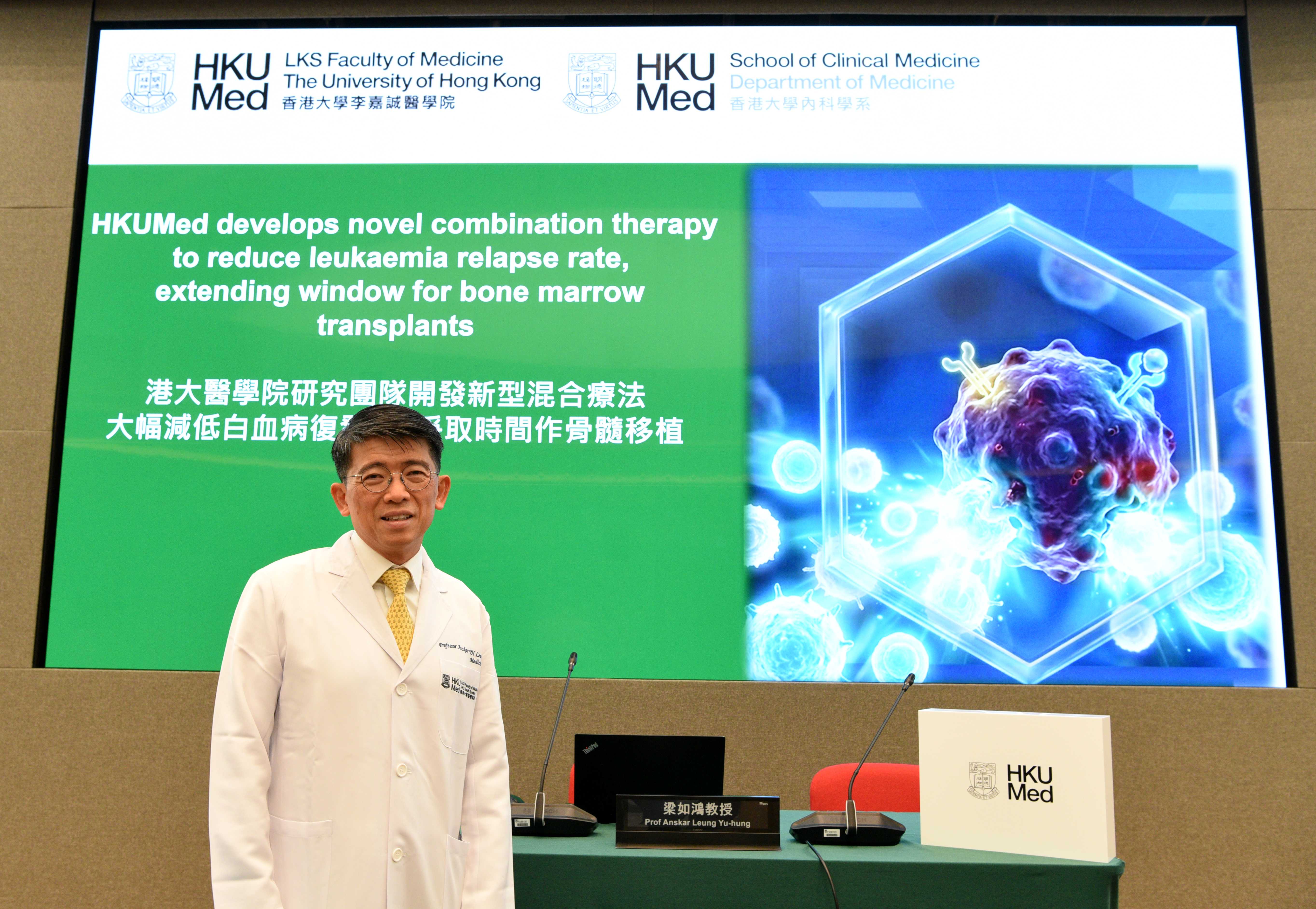
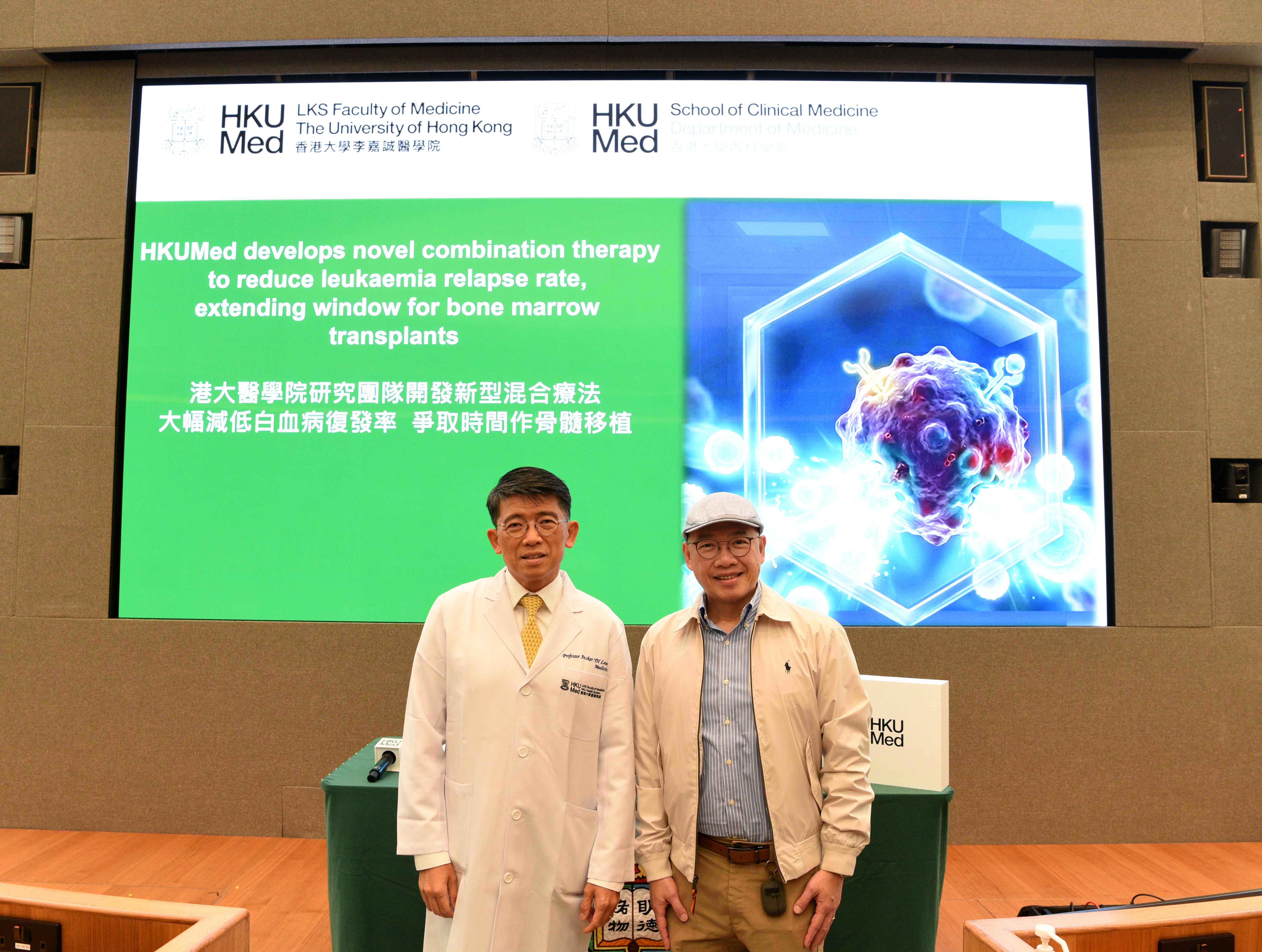
Led by Professor Anskar Leung Yu-hung, Chair Professor in the Department of Medicine, School of Clinical Medicine, HKUMed, the research team conducted a Phase 2 clinical study between November 2017 and September 2020. Forty patients aged 23 to 81, all with FLT3-mutated AML that was refractory to chemotherapy, were recruited and treated with the QUIZOM combination therapy. The results revealed a composite complete remission (CRc) rate of about 83%, a median leukaemia-free survival (LFS) of 10 months, and a median overall survival rate of 12.9 months. Thirteen of the patients successfully proceeded to allogeneic HSCT following treatment.
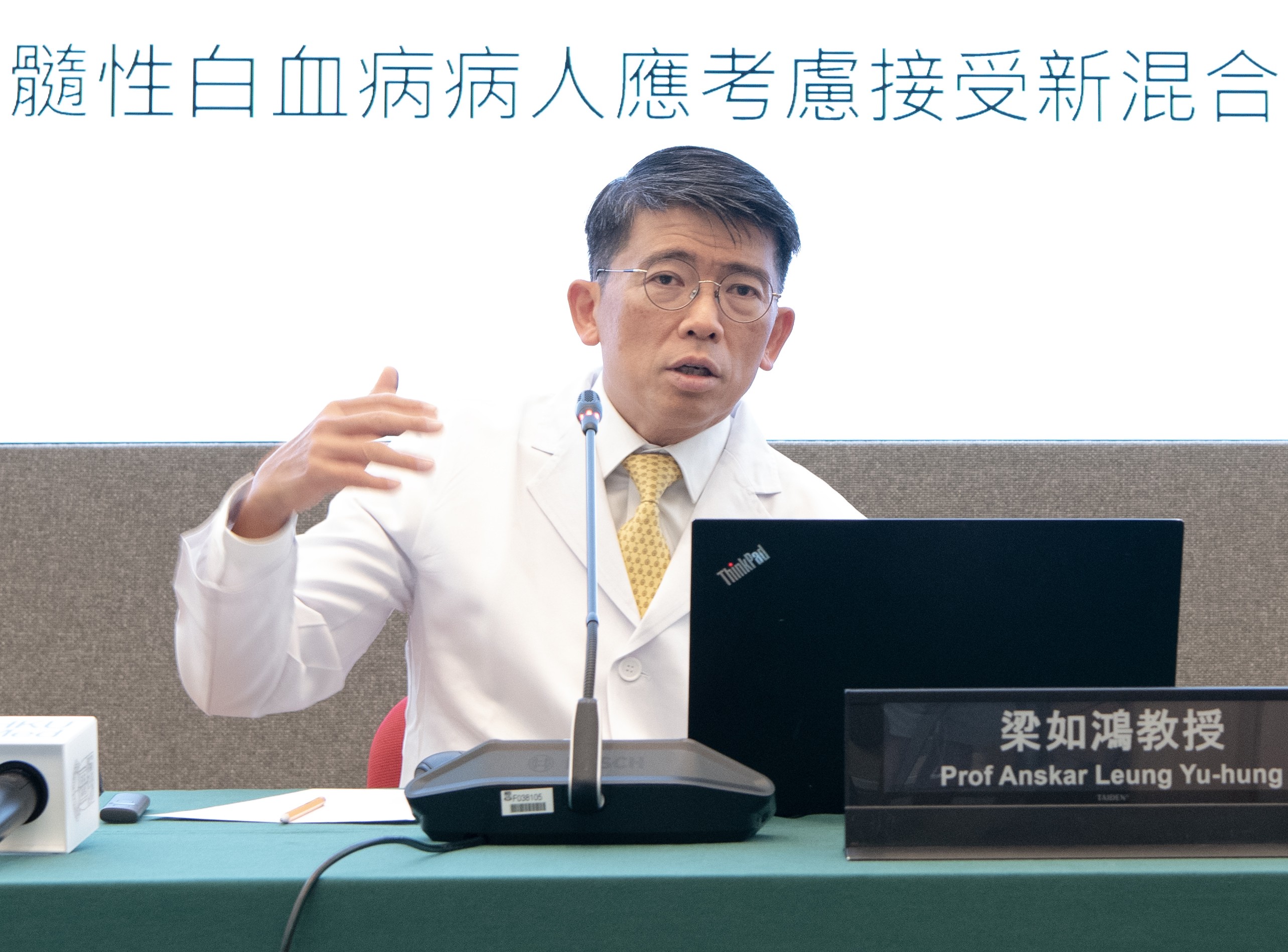
Professor Leung said, ‘The QUIZOM combination therapy provides an effective and feasible treatment option for patients with FLT3-mutated AML who are unfit for conventional chemotherapy. By improving the remission rate, patients are better positioned to proceed to HSCT as consolidation therapy. With post-transplant maintenance and monitoring, the majority of patients can achieve sustained remission.’
Unveiling mechanisms of drug resistance and overcoming relapse
To gain a deeper understanding of the therapeutic mechanisms, the research team conducted multi-omics analyses, revealing for the first time the core mechanism of QUIZOM. Single‑cell gene expression profiling showed that the QUIZOM combination therapy disrupts protein metabolism in cancer cells, inhibiting their growth, while activating the patient's T‑cell immune system. The study highlighted the essential role of immune system activation in treatment efficacy, producing a dual benefit similar to combining chemotherapy with immunotherapy.
In addition, the team identified a population of stem cell‑like, drug‑resistant leukaemic cells in some patients who experienced relapse. These cells develop resistance via PLD1-mediated phospholipid metabolism, which facilitates protein folding and enhances their survival, ultimately leading to disease recurrence. The study confirmed that the addition of a PLD1 inhibitor can effectively suppress the regenerative function of these therapy‑resistant leukaemic stem cells and improve overall treatment effectiveness.
Securing a patent to advance future clinical use
Professor Leung remarked, ‘This study demonstrates the clinical potential of QUIZOM, enabling more high‑risk patients to become eligible for HSCT, and provides a comprehensive understanding of its mechanisms. It provides a clear and promising therapeutic direction for overcoming drug resistance in leukaemia. The research team has filed a patent application regarding the discovery of PLD1 inhibition in leukaemia, aiming to improve treatment regimens for acute leukaemia and ultimately benefitting more patients with haematological malignancies.’
About the research team
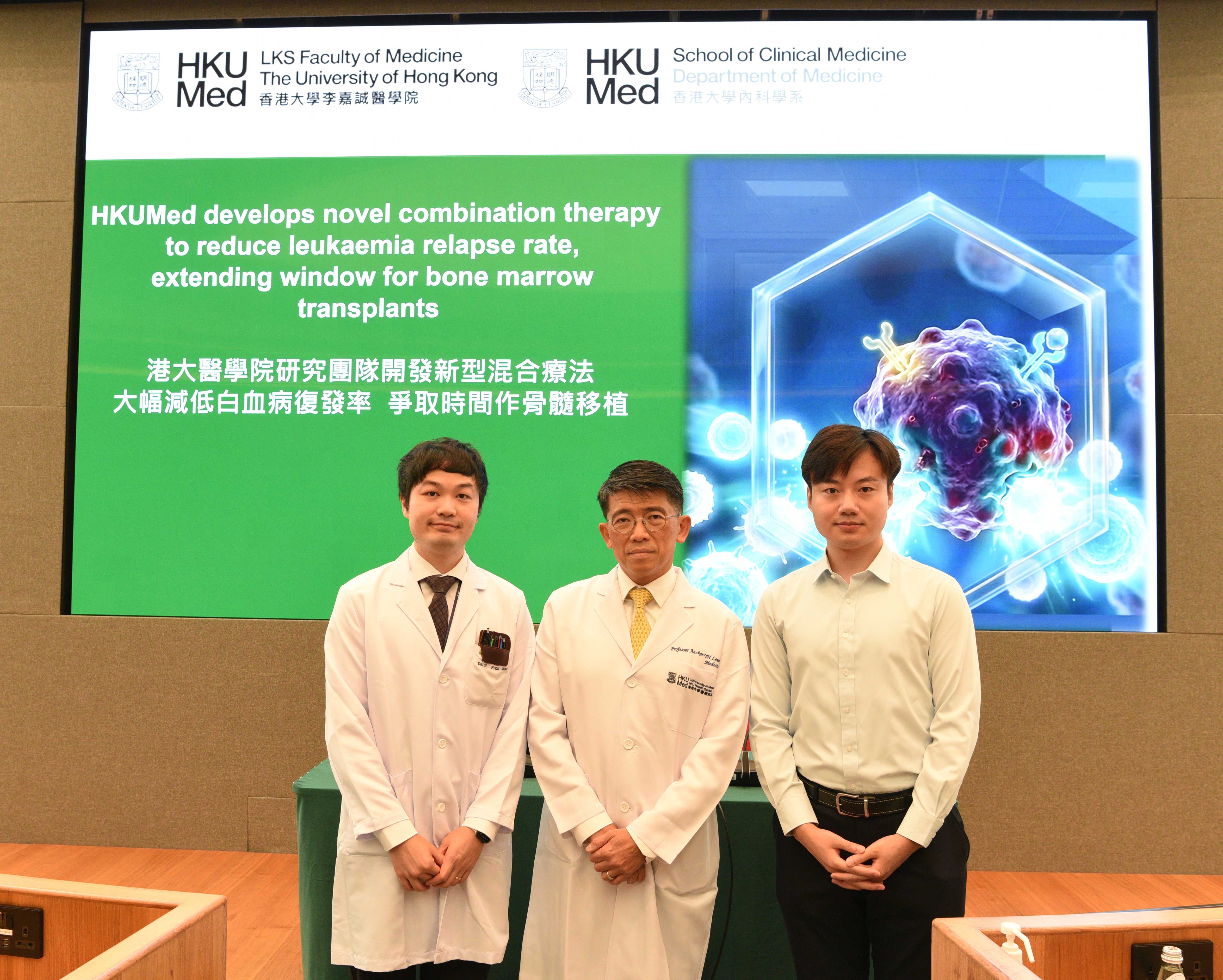
This study was led by Professor Anskar Leung Yu-hung, Chair Professor of Haematology, Department of Medicine, School of Clinical Medicine, HKUMed. Other key members of the research team include Dr Man Cheuk‑him, Dr Zheng Lichuan, Dr Stephen Lam Sze-yuen and Mr Kelvin Wong K W.
Media enquiries
Please contact LKS Faculty of Medicine of The University of Hong Kong by email (medmedia@hku.hk).
Follow HKUMed